Before any excavation begins – whether it’s a small backyard project or a major civil job – knowing what lies beneath the ground is critical. Hidden pipes, cables, and assets can cause severe disruptions, expensive repairs, and dangerous hazards if accidentally damaged. That’s where understanding their role becomes essential.
A utility locator is a trained specialist who uses advanced equipment to detect, map, and mark underground utilities before digging occurs. In Sydney, where infrastructure networks are dense and complex, engaging a locator is a smart choice and often essential for safety and compliance.
Understanding What a Utility Locator Is
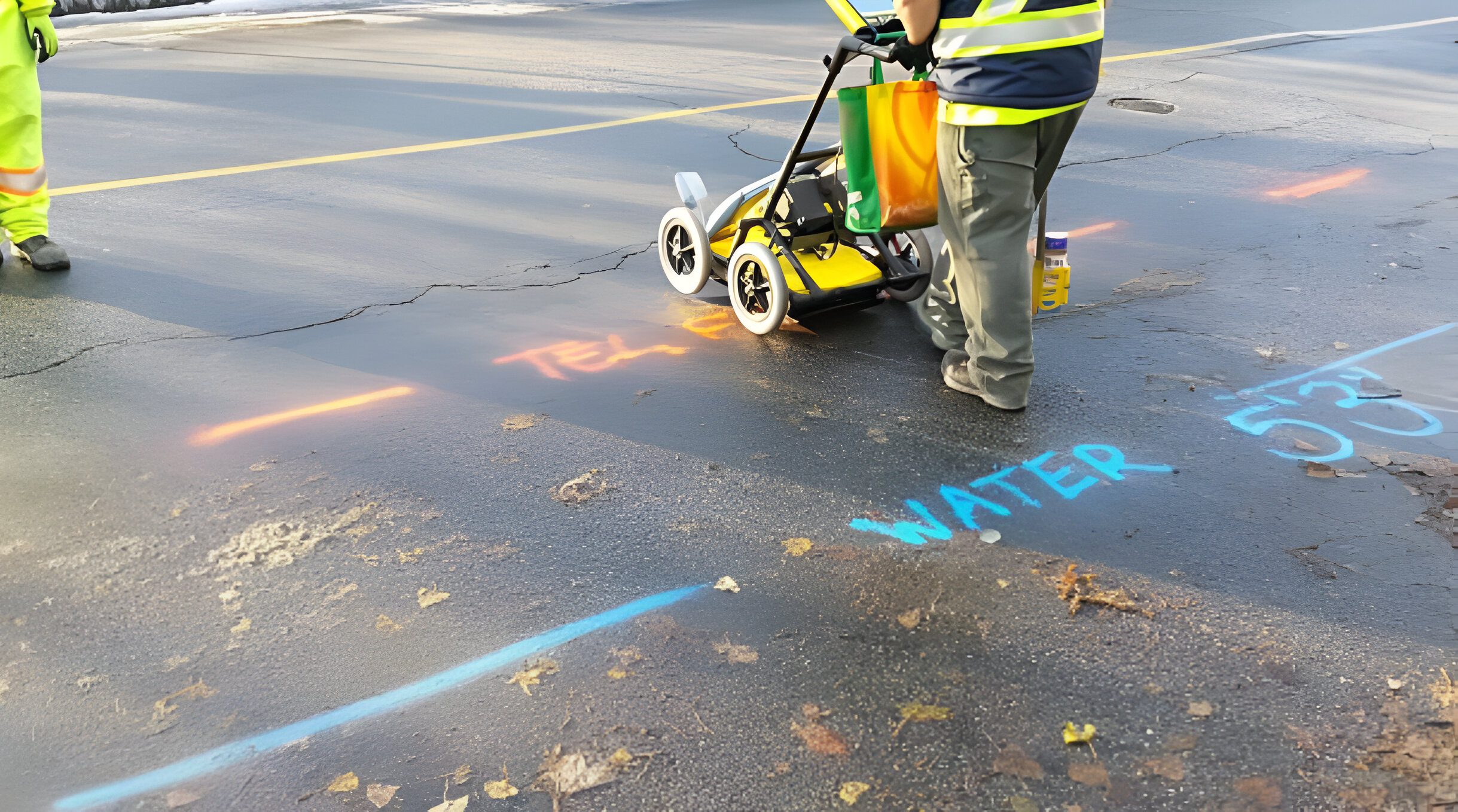
If you’ve ever wondered what utility locators do, the answer is straightforward: it’s a professional who identifies and marks underground utilities so that excavation can be carried out safely and accurately. By using a mix of locating technologies, they provide clarity on what’s beneath the surface, helping prevent costly and dangerous strikes.
Utility locators work across residential, commercial, and civil projects throughout Sydney. They ensure your excavation team knows exactly where water pipes, power lines, telecommunication cables, sewer lines, stormwater systems, fibre optic cables, and gas networks are located, allowing works to proceed with confidence.
Why Utility Locators Are Essential in Sydney
Sydney has one of the most complex underground networks in Australia. Ageing infrastructure, new developments, tight access areas, and overlapping services mean underground risks are high. Hiring a locator helps you:
- Avoid damaging critical assets
- Maintain compliance with NSW excavation rules
- Lower the risk of injury, delays, and liability
- Improve project planning through precise data
- Prevent costly emergency repairs
Understanding the value of a utility locator empowers project managers, homeowners, and contractors to make safe, informed decisions before breaking ground.
How Underground Utility Detection Works
Professional underground utility detection involves using multiple locating technologies to scan below the surface without digging. These include:
1. Ground Penetrating Radar (GPR)
This technology sends radio waves into the ground and reads the reflections to detect non-metallic utilities such as PVC pipes, telecom conduits, and voids.
2. Electromagnetic Locators (EMF)
Ideal for metallic services and conductive utilities, EMF uses transmitter and receiver systems to trace lines with precision.
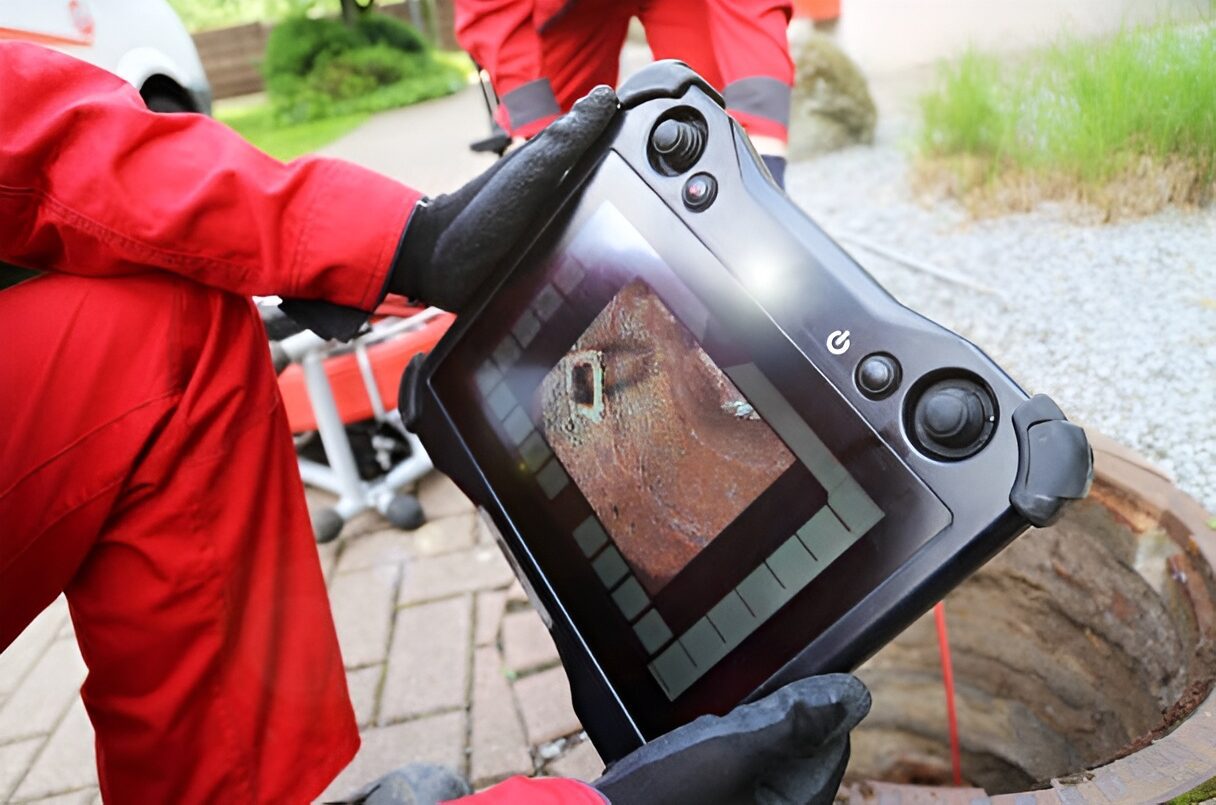
3. CCTV Pipe Cameras
Used for sewer and stormwater inspections to check condition, flow issues, and exact routing.
4. Mud Mapping
Also known as surface-level mapping, mud mapping captures visible utility features and above-ground indicators to complement digital locating methods. It helps confirm depths, directions, and conflicts before excavation.
A professional locator combines all these methods to provide accurate, multi-layered results.
Why You Need a Utility Locator Before You Dig
Understanding the role of a utility locator is only the beginning. Here’s why hiring one before excavation is essential:
Prevent Strikes and Service Interruptions
Hitting a gas main or fibre optic line can shut down an entire street or business precinct.
Lower Project Costs
Unexpected repairs, delays, and redesigns are far more expensive than a pre-dig locate.
Comply with Duty of Care Requirements
Dial Before You Dig (DBYD) provides plans, but only locators can verify the exact on-site asset locations.
Protect Worker Safety
Underground strikes can lead to electric shock, gas leaks, or flooding.
Enable Accurate Planning
Combine results with digital maps, CAD files, and site plans to keep your project on track.
Your Complete Utility Locating Report
Once the locator completes the underground utility detection, you receive:
- Marked utilities on the ground
- Digital plans
- Depth estimations
- GPR scans
- Mud mapping notes
- Condition reports
- Video footage for drains (if required)
This documentation offers a clear, actionable overview of the underground environment.