Modern construction, maintenance, and inspection projects rely on accuracy and early detection to avoid unnecessary damage and delays. Thermal imaging has become a powerful diagnostic tool, allowing professionals to identify hidden issues that are not visible to the naked eye. By detecting temperature variations across surfaces, this technology helps locate faults early and enables safer, more informed decision-making.
From building inspections to infrastructure assessments, using advanced diagnostic methods can save time, reduce risk, and prevent costly repairs.
What Is Thermal Imaging and How Does It Work?
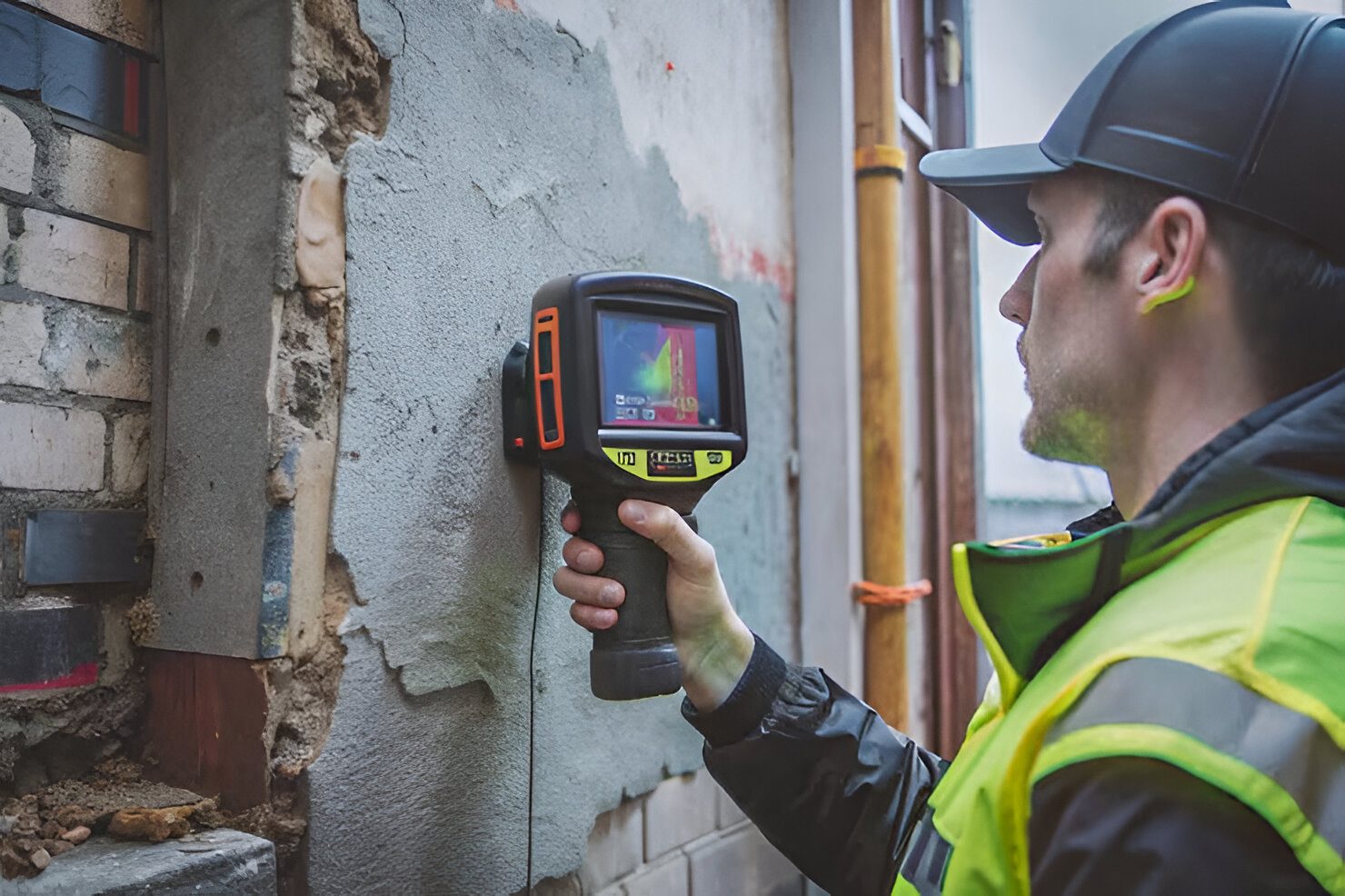
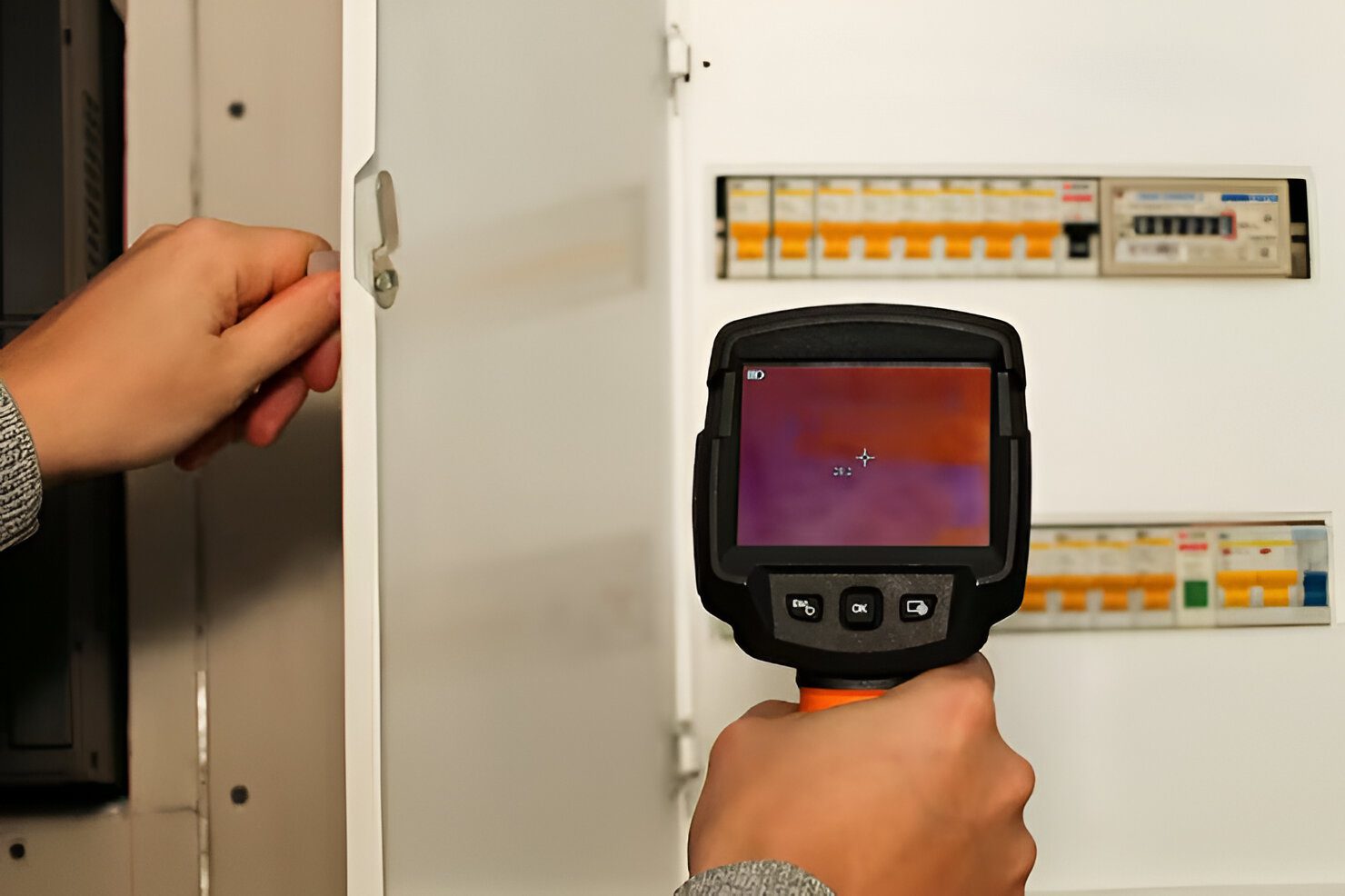
Infrared cameras measure surface temperatures and convert them into detailed visual images, revealing what’s hidden from plain sight. These images highlight temperature differences that may indicate issues such as moisture ingress, electrical faults, insulation gaps, or underground anomalies.
Because it requires no physical contact or surface damage, inspectors can work quickly and safely. It is commonly used alongside professional locating and inspection services to confirm conditions before intrusive work begins.
Why Early Detection Matters
Many structural and service-related issues develop slowly, remaining hidden until significant damage has already occurred. Electrical overheating, water leaks, or insulation failures can go unnoticed for months, leading to safety hazards and expensive repairs.
Thermal imaging identifies these issues early, helping property owners and contractors take corrective action before problems escalate. This proactive approach improves safety, reduces downtime, and protects both assets and people on site.
Common Applications Across Projects
Infrared thermography is widely used across residential, commercial, and industrial projects. In buildings, it helps identify moisture penetration, heat loss, and electrical overheating. In construction and civil works, it supports inspections before cutting, drilling, or excavation.
It’s also frequently used as a complementary tool alongside concrete scanning services to assess slab conditions before intrusive work begins. When combined with ground-penetrating radar services, it can assist in building a clearer understanding of subsurface conditions.
Supporting Safer Excavation and Inspections
When preparing for excavation or maintenance work, accurate information is critical. Thermal imaging can help identify abnormal heat patterns that may indicate buried services, leaks, or electrical conduits, supporting safer planning before work begins.
This data is often enhanced with mud mapping and reporting services, providing clear visual records that assist engineers, builders, and project managers in making informed decisions. For drainage systems, combining inspections with CCTV pipe inspection services allows both internal and external conditions to be assessed accurately.
Key Benefits for Property Owners and Contractors
One of the main advantages of thermal scanning is its non-invasive nature. Surfaces remain intact, reducing disruption and eliminating unnecessary damage. This makes it ideal for occupied buildings, live sites, and sensitive environments.
Another major benefit is improved cost efficiency. By identifying issues early, contractors can plan targeted repairs rather than reactive responses. This reduces emergency call-outs, repair costs, and project delays.
Inspections can also be completed quickly, providing immediate insights that help streamline maintenance and construction planning.
Compared to Traditional Inspection Methods
Traditional inspections often rely on visible signs of damage or require intrusive investigation. This can mean opening walls, cutting slabs, or excavating areas just to confirm a suspected issue.
Thermal imaging offers a smarter alternative by highlighting problem areas before intrusive work begins. This reduces guesswork, improves accuracy, and supports better project outcomes across a wide range of applications.