When planning excavation or underground inspections, one of the most common questions contractors ask is about GPR vs electromagnetic locating and which method is more suitable for their project. Both technologies are widely used in underground detection, but they work differently and are suited to different site conditions.
Understanding the strengths and limitations of each detection method will help you choose the right approach for safer excavation and accurate subsurface results.
What Is Ground Penetrating Radar?
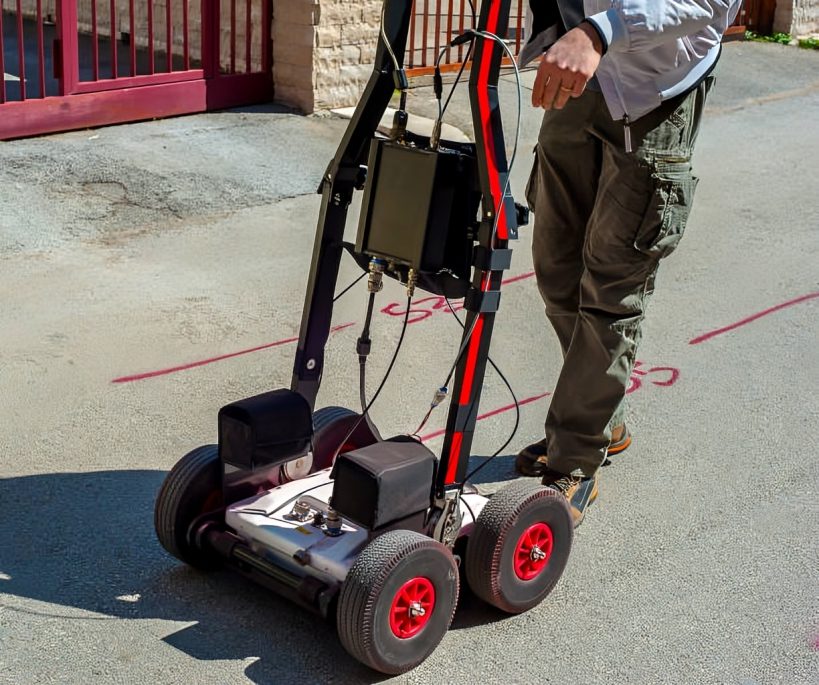
Ground Penetrating Radar (GPR) uses high-frequency radar pulses to scan beneath the surface. It detects variations in material density and identifies both metallic and non-metallic objects, including pipes, cables, and voids.
GPR is especially effective for locating plastic pipes, fibre conduits, voids, and unknown subsurface anomalies. It is commonly used alongside professional ground-penetrating radar services to deliver detailed subsurface mapping ahead of excavation works.
This makes radar-based detection particularly valuable for identifying utilities that do not carry an electrical signal.
What Is Electromagnetic Locating?
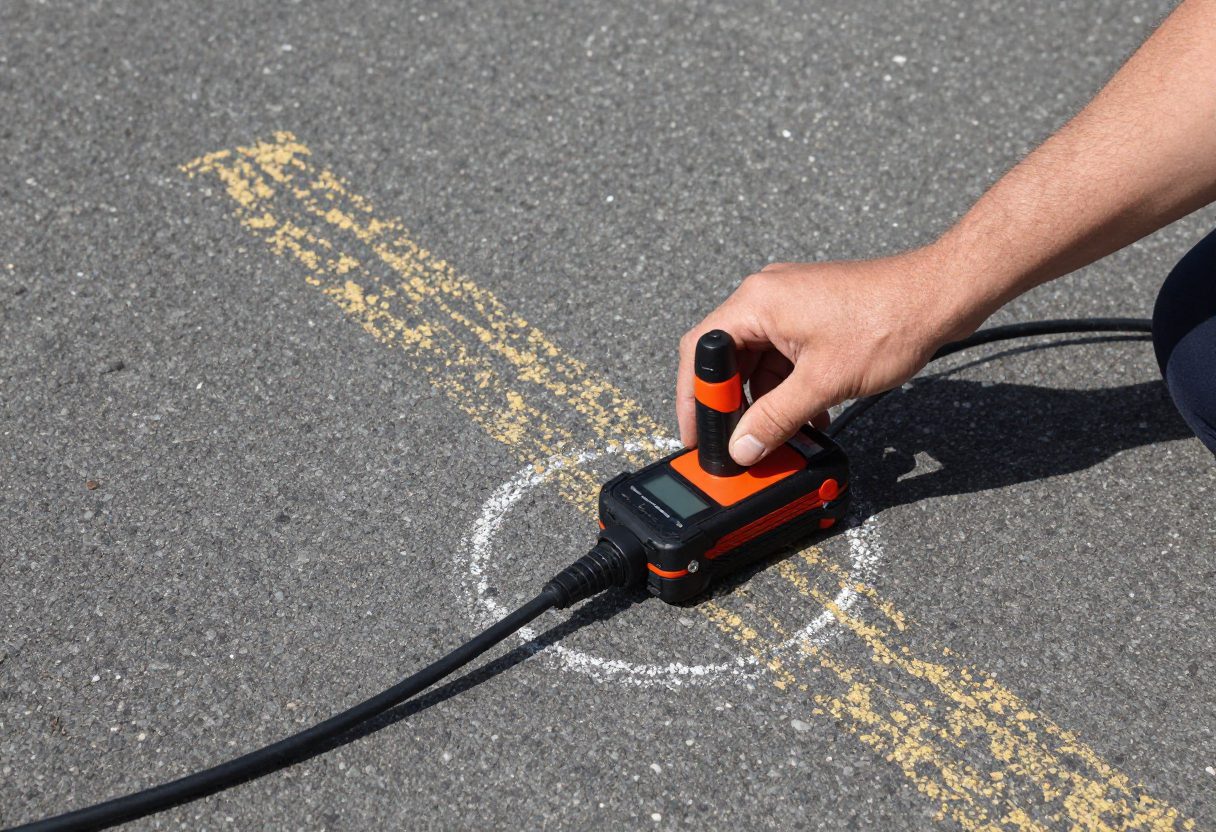
Electromagnetic locating works by detecting electromagnetic signals emitted by conductive materials such as power cables, gas lines, or metal pipes. It can either detect active signals from live utilities or introduce an external signal into a conductive line to trace its path.
This method is highly effective for tracing metallic services over long distances. However, it may struggle to detect non-metallic utilities unless a tracer wire is present.
For quickly tracing known metallic services over established routes, electromagnetic methods are generally the preferred choice.
Key Differences Between the Two Methods
The primary difference between the two methods lies in how each technology detects underground assets.
GPR uses radar waves and can identify both conductive and non-conductive materials. Electromagnetic locating relies on electrical signals and works best on metallic or conductive surfaces.
GPR produces a visual subsurface image, while electromagnetic locating delivers signal-based tracing. In many projects, the most accurate results come from combining both methods rather than choosing only one.
When Should You Use GPR?
GPR is particularly useful in the following scenarios:
- Locating plastic or non-metallic pipes
- Working in areas with limited or unreliable service records
- Identifying unknown subsurface anomalies or buried infrastructure
- Supporting concrete scanning services before cutting or coring slabs
It is also frequently used with mud mapping & reporting services to document findings for compliance and project planning.
GPR is often the preferred option when site conditions are uncertain or service records are incomplete.
When Is Electromagnetic Locating the Better Choice?
Electromagnetic locating is ideal when:
- Tracing live electrical cables
- Following known metallic pipes
- Mapping long utility runs efficiently
- Working on sites where conductive utilities are clearly identified
It is often used in combination with CCTV pipe inspection services to confirm the condition and alignment of drainage systems once the service path has been traced.
On many Sydney excavation projects, contractors need to assess whether a single detection method is sufficient or whether a combined approach is necessary.
Why Combining Both Methods Often Delivers the Best Results
Rather than choosing strictly between GPR vs electromagnetic locating, many professional locating companies use both technologies together. This layered approach improves accuracy and reduces the risk of missed utilities.
Electromagnetic detection quickly traces conductive services, while GPR verifies and identifies additional non-metallic utilities. Together, they create a more complete underground picture, supporting safer excavation and compliance with WHS requirements.