

Modern construction and utility projects demand accuracy, safety, and minimal disruption. Non-destructive excavation has emerged as the preferred approach for identifying underground services before digging begins, helping prevent costly damage and serious safety risks. Instead of relying on guesswork or aggressive digging methods, this approach focuses on understanding what lies beneath before excavation starts.
As underground infrastructure becomes more complex, safer excavation practices are essential for protecting people, property, and project timelines.
What Is Non-Destructive Excavation?
Non-destructive excavation is a controlled process used to locate and verify underground utilities, cables, and infrastructure without causing damage. Rather than digging blindly, contractors use advanced detection and verification techniques to understand underground conditions before excavation takes place.
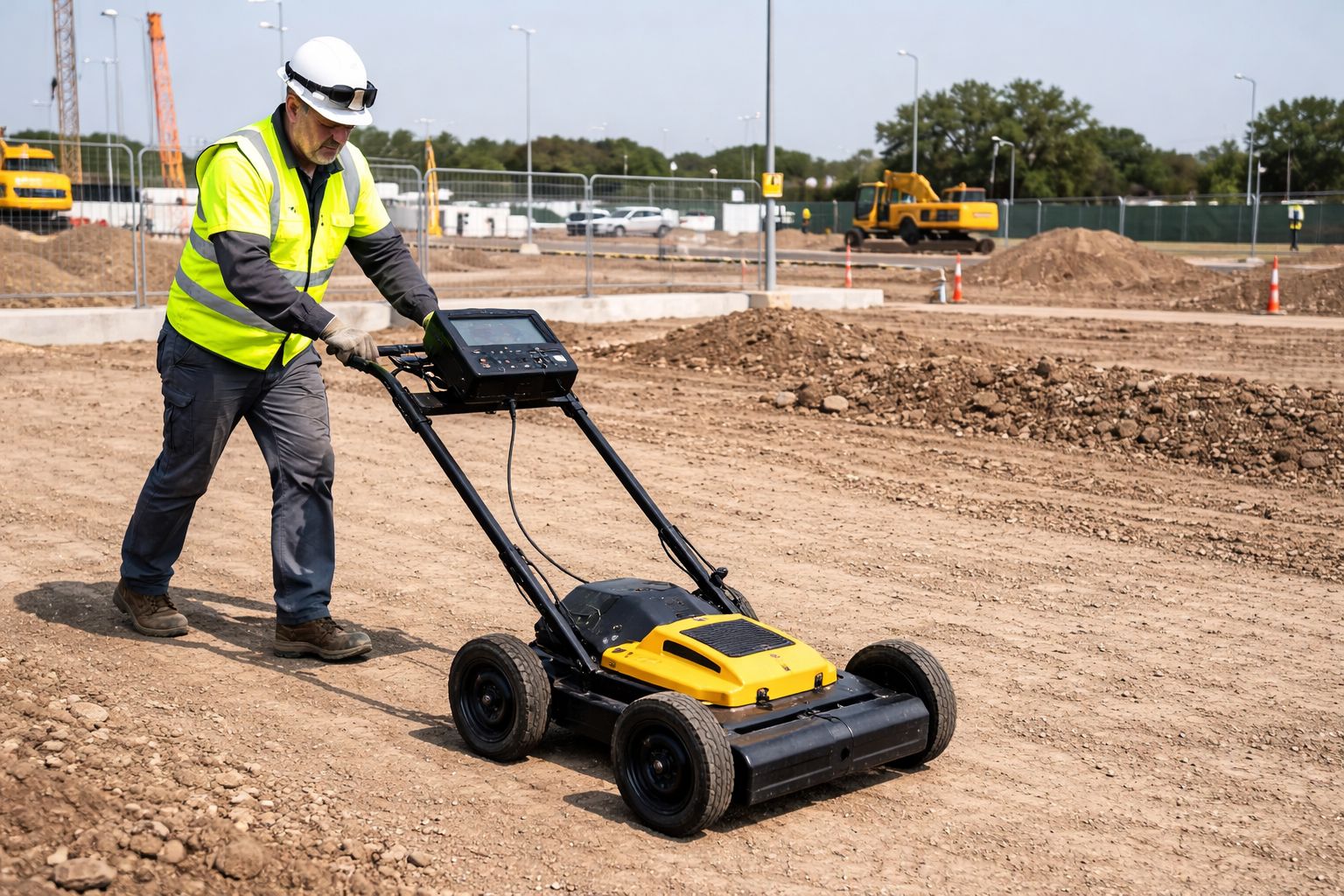
This process is commonly supported by ground-penetrating radar services, CCTV pipe inspection services, and concrete scanning services, which allow technicians to confirm the location, depth, and condition of underground assets. By identifying these services early, excavation work can proceed with far less risk.
Why This Approach Is Important
Accidentally striking underground utilities can cause injuries, power outages, gas leaks, flooding, and major project delays. In many cases, service plans are incomplete, outdated, or inaccurate, especially in older or high-density areas.
Non-destructive excavation allows contractors and property owners to verify real-world conditions instead of relying solely on drawings. This helps reduce liability, improve site safety, and support compliance with WHS requirements. It also provides peace of mind that excavation work will not result in unexpected damage.
How the Process Works
The process begins with underground detection and verification. Technologies such as ground-penetrating radar services help locate both metallic and non-metallic utilities, including plastic pipes and fibre conduits. These findings are often complemented by mud mapping and reporting services, which visually document the location of detected infrastructure.
For sewer and stormwater systems, CCTV pipe inspection services enable internal assessments to confirm alignment and condition. When working near concrete slabs or structures, concrete scanning services identify embedded services before cutting or coring.
Together, these techniques ensure excavation only occurs in verified safe zones.
Key Benefits for Construction and Civil Projects
One of the main advantages of non-destructive excavation is improved safety. Workers are far less likely to encounter live utilities unexpectedly, reducing the risk of injury and site incidents.
Cost control is another major benefit. Damaged utilities often lead to expensive repairs and costly downtime. By preventing utility strikes, projects avoid unnecessary delays and rework. This approach also minimises surface disruption, protecting surrounding landscaping, pavements, and structures.
Efficiency improves as well. With accurate locating and clear documentation, excavation becomes more targeted and predictable, helping projects stay on schedule.
Common Applications
This excavation approach is used across residential, commercial, and civil projects throughout NSW. It’s commonly required before trenching, piling, utility installations, and infrastructure upgrades. Builders and contractors also rely on it during renovations, where utilities may run close to foundations or slabs.
In roadworks and urban environments, it plays a critical role in managing densely packed underground infrastructure and reducing disruption to surrounding areas.
Non-Destructive Excavation vs Traditional Digging
Traditional excavation relies heavily on mechanical digging, which increases the likelihood of hitting unknown services. This often leads to unnecessary ground disturbance and additional reinstatement work.
Non-destructive excavation takes a more precise and planned approach. By identifying underground assets first and limiting excavation to confirmed safe areas, it delivers better safety outcomes and more predictable project results.